
Claude
ProductA product discussed on Lenny's Podcast.
3 episodes
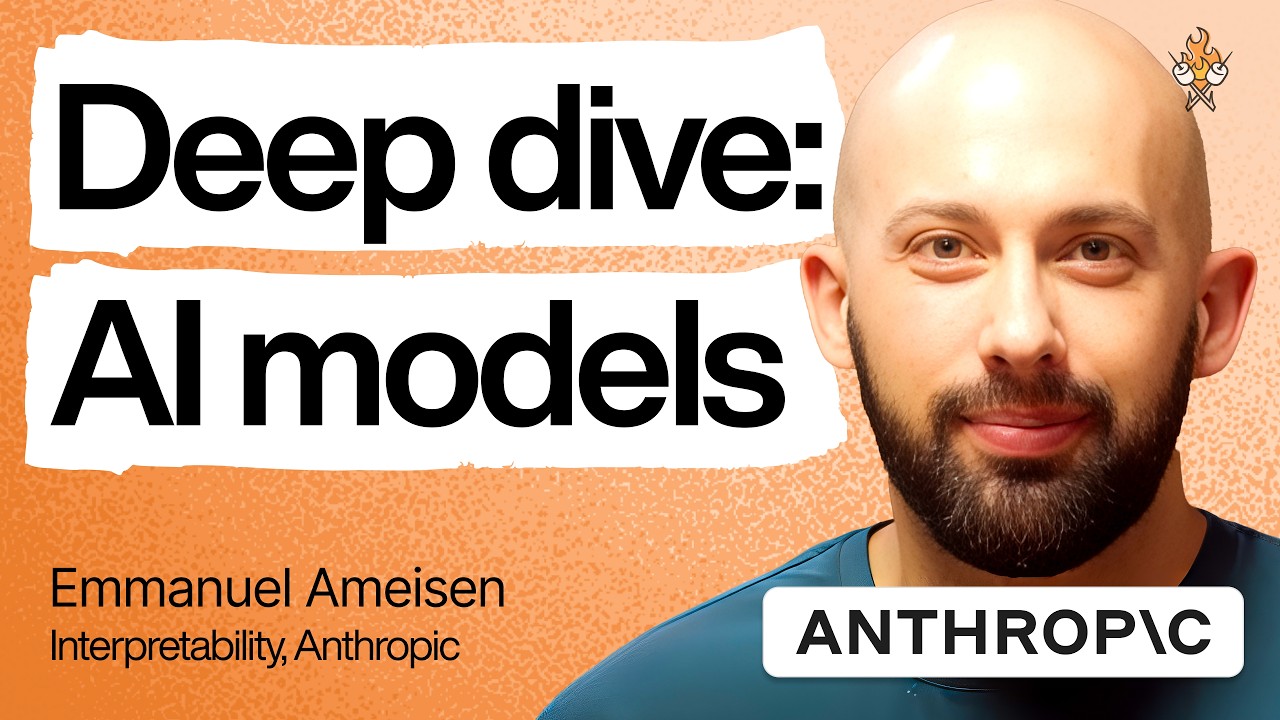
Inside the black box of AI: How AI models actually think | Emmanuel Ameisen (Anthropic)
Oct 18, 2026 · 1:12:13
Emmanuel Ameisen, an interpretability researcher at Anthropic, tells Lenny Rachitsky that making models like Claude is not understanding them—their math is grown, not built, and must be studied like a brain. Decoding intermediate results reveals models form general concepts and silently plan tokens ahead, like a poetry model flagging a rhyme. He argues next-token prediction is deceptively hard—answering 'the capital of the state that contains Dallas' requires a world model—and smooth scaling yields apparent capability jumps at reliability thresholds. On alignment, he recounts a model driven mad by a bad training answer (36 instead of 12), asks whether Claude behaves only because 'Lenny is watching,' and defends anthropomorphizing as useful. He leaves AI consciousness an open question.
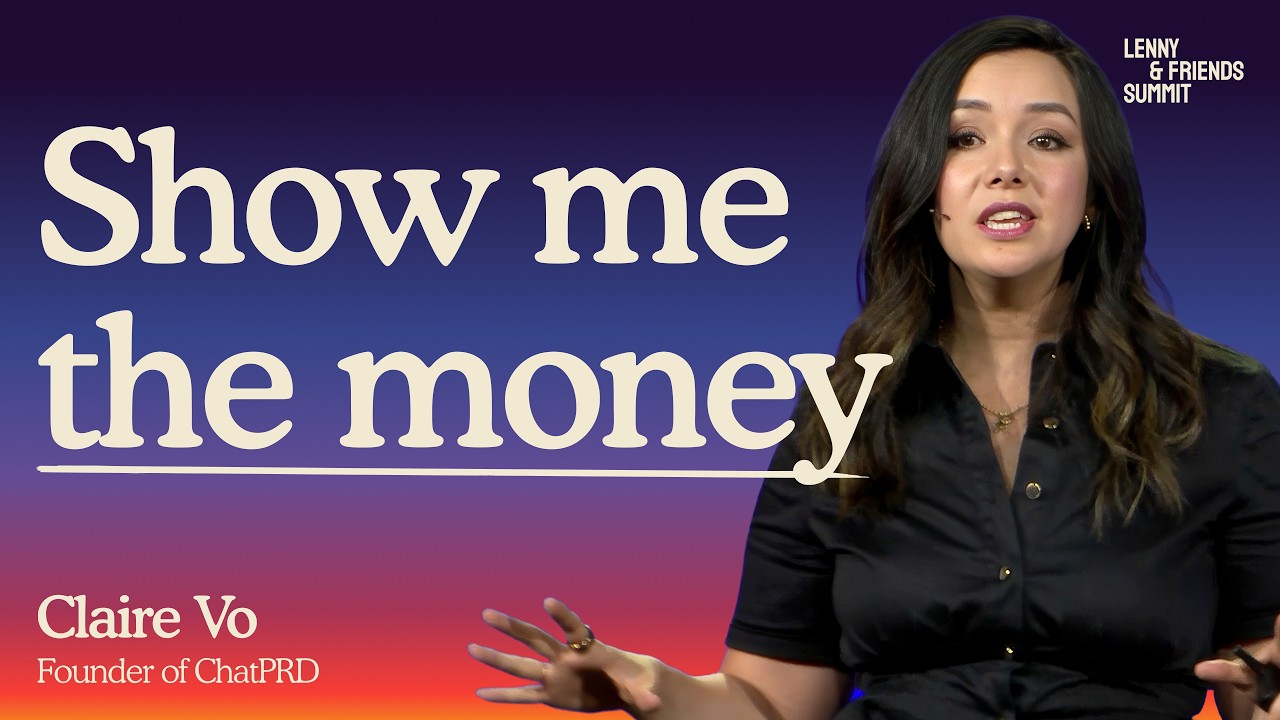
Everyone’s shipping more. Does any of it matter? | Claire Vo
Sep 24, 2026 · 23:58
Claire Vo, founder of ChatPRD, argues traditional product roadmaps are dead because AI has made building so cheap the bottleneck is no longer engineering capacity but conviction about what to build. At the Lenny and Friends Summit she describes shipping 3x more PRs with 40 Grok bots yet being 'out of good ideas' — even trashing her built Product Graph engine for ChatPRD as undifferentiated. She warns of three traps at 'roadmap zero': the backlog trap (AI clears lists without progress), the parity trap (competitors converge on identical products), and the churn trap (shipping without learning). Her alternative: durable convictions with disposable features, evidence defined upfront, and ambitious two-week experiments over feature velocity — code is abundant, customer trust is not.
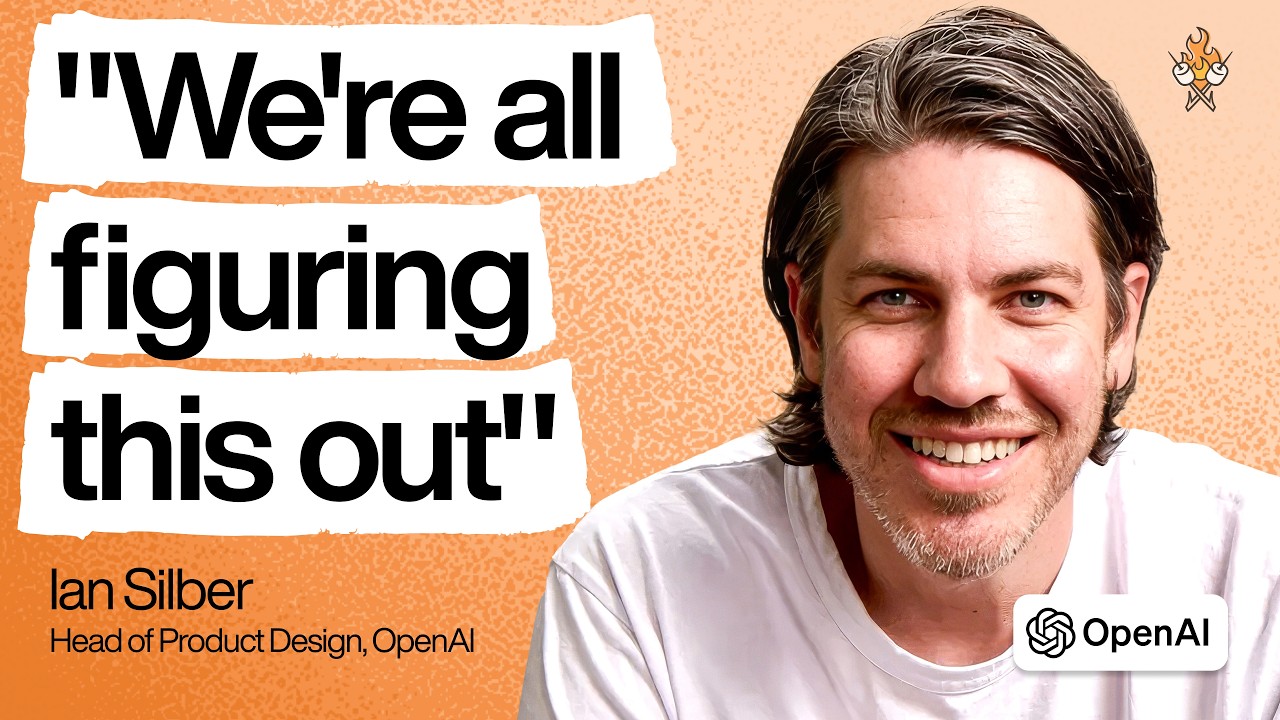
Chatbots are not the final interface: OpenAI’s Head of Design on what’s next | Ian Silber
Aug 16, 2026 · 1:12:05
Ian Silber, head of product design at OpenAI, tells Lenny that designers' anxiety about AI comes from unclear expectations and a design process that still takes time even as engineers 10x, but insists this is the best time in history to be a designer because AI is already an incredible designer and anyone can make ideas real in minutes. He explains OpenAI hires for curiosity, prototyping and systems thinking rather than AI backgrounds, and steers designers to "just do less" by reusing systems and focusing on durable experiences. He defends the chat interface as the right way to span a wide spectrum of intelligence, and shares that ChatGPT's future involves proactivity, voice, and one universal input that works for novices and power users alike. He credits failure at Instagram with IGTV before Reels, and urges struggling designers to embrace exploration and focus on outcomes rather than process.
Powered by PodHood