Lenny
HostHost of Lenny's Podcast.
8 episodes
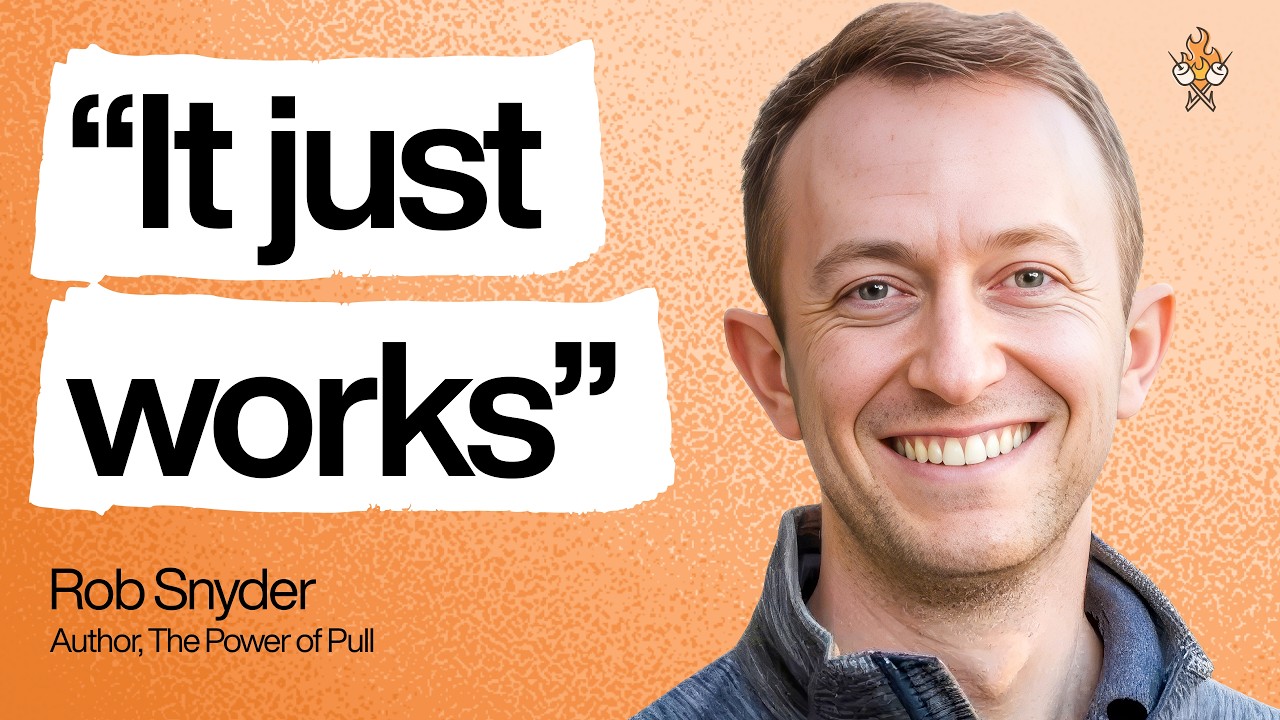
An 86-minute guide to finding PMF | Rob Snyder (Author, The Power of Pull)
Oct 25, 2026 · 1:25:48
On Lenny's Podcast, Rob Snyder, author of The Power of Pull, argues that product-market fit means finding people with PULL—a Project, Unavoidable now, whose List of options have Limitations—who rip the product from your hands. Snyder, who has helped 50+ startups reach $1M ARR, says stake out a PULL hypothesis from firsthand immersion. He recommends founder-magic cold outreach ("Snoop Dogg invested in us"), five-call tests, and cites Jump winning financial advisors who could go to jail without CRM notes. He warns against design partners, pilots, and building first, prescribing the Hail Mary question and goblin mode—Teero's parents door-knocked dental offices. Retention means finding the X after which churn is weird—a startup is a case-study factory repeating one hell-yes customer.
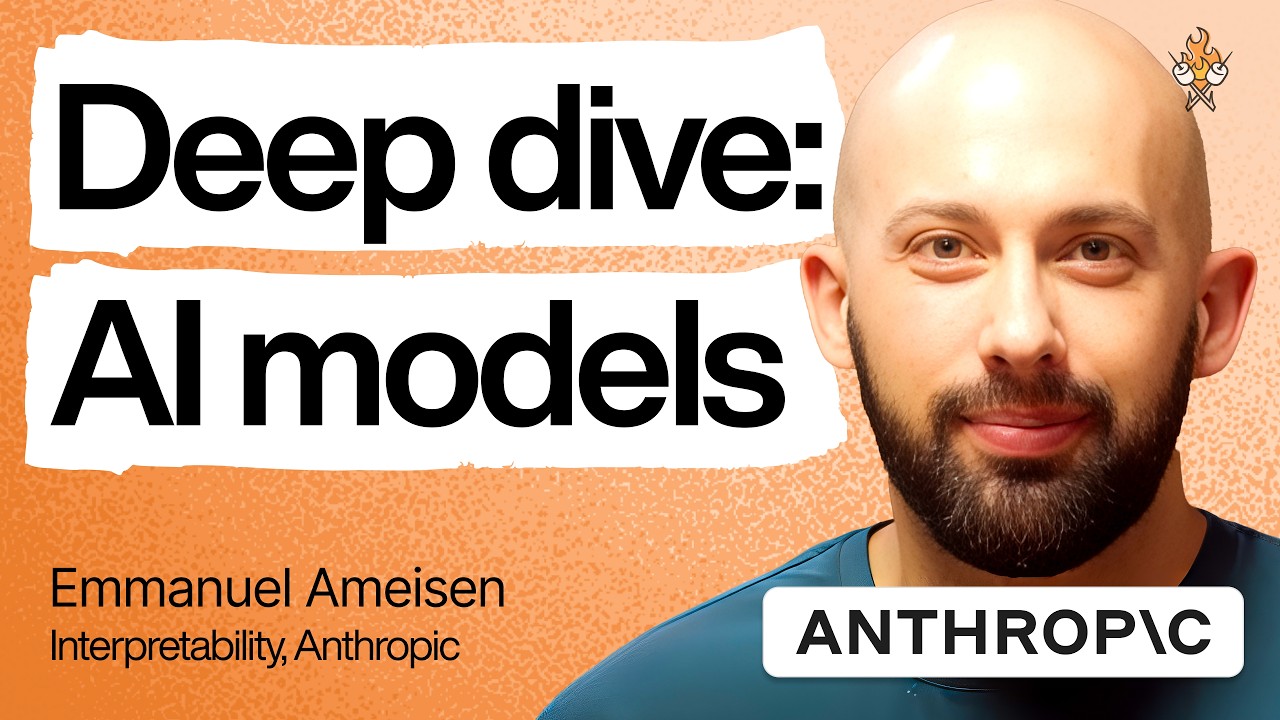
Inside the black box of AI: How AI models actually think | Emmanuel Ameisen (Anthropic)
Oct 18, 2026 · 1:12:13
Emmanuel Ameisen, an interpretability researcher at Anthropic, tells Lenny Rachitsky that making models like Claude is not understanding them—their math is grown, not built, and must be studied like a brain. Decoding intermediate results reveals models form general concepts and silently plan tokens ahead, like a poetry model flagging a rhyme. He argues next-token prediction is deceptively hard—answering 'the capital of the state that contains Dallas' requires a world model—and smooth scaling yields apparent capability jumps at reliability thresholds. On alignment, he recounts a model driven mad by a bad training answer (36 instead of 12), asks whether Claude behaves only because 'Lenny is watching,' and defends anthropomorphizing as useful. He leaves AI consciousness an open question.
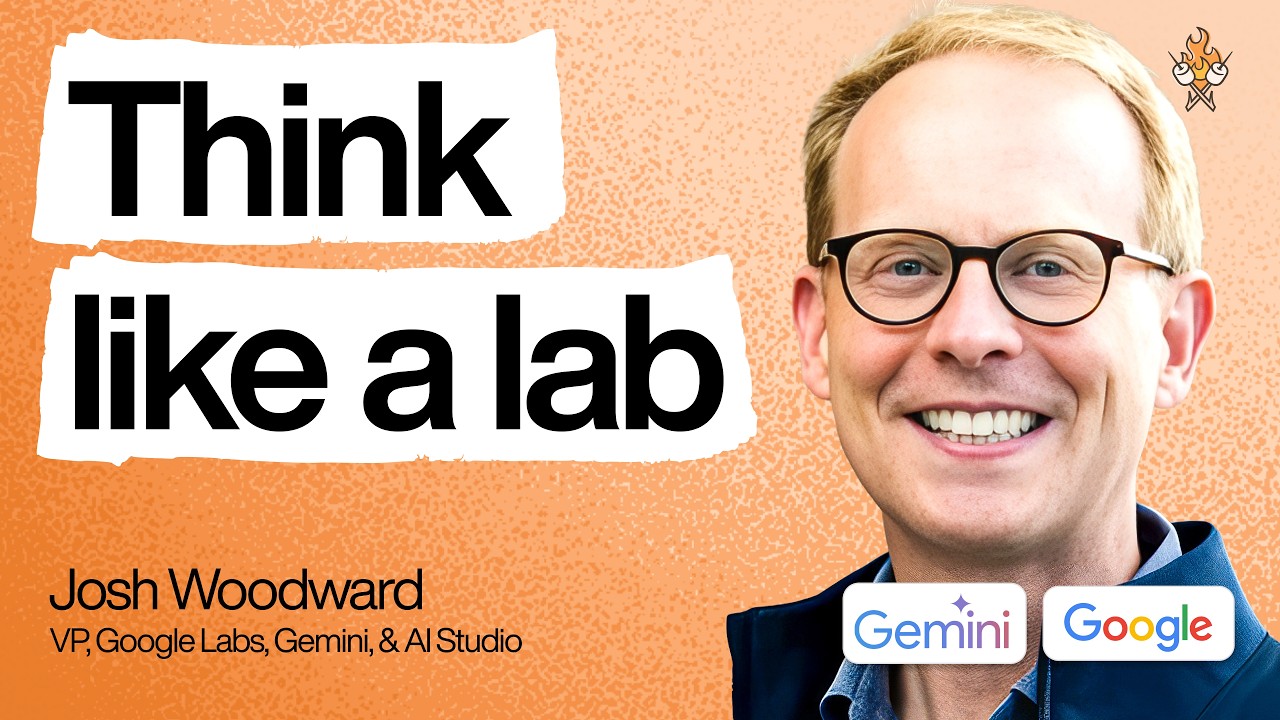
Why every company now needs to think and operate like a lab team | Josh Woodward (VP Google Labs)
Oct 11, 2026 · 1:02:12
Josh Woodward, head of Google Labs, the Gemini app and AI Studio, tells Lenny Rachitsky every company now needs to operate like a labs team to find what's newly possible before competitors or startups eat their lunch. He says the best ideas rarely come from design sprints but from small obsessed teams, so his labs keep an "almost possible" list—like immersive entertainment—and act when tech crosses a phase shift. Product-market fit is "way more art than science": the metric is eyes lighting up at prototypes, not DAUs, and the team usually knows to kill an idea before the leader does. He hires for "unlearning rate" and "explosive endurance," rejects the "everyone's a builder" hype, and says labs teams need independence, "users first, Google second," and license to make "good trouble."
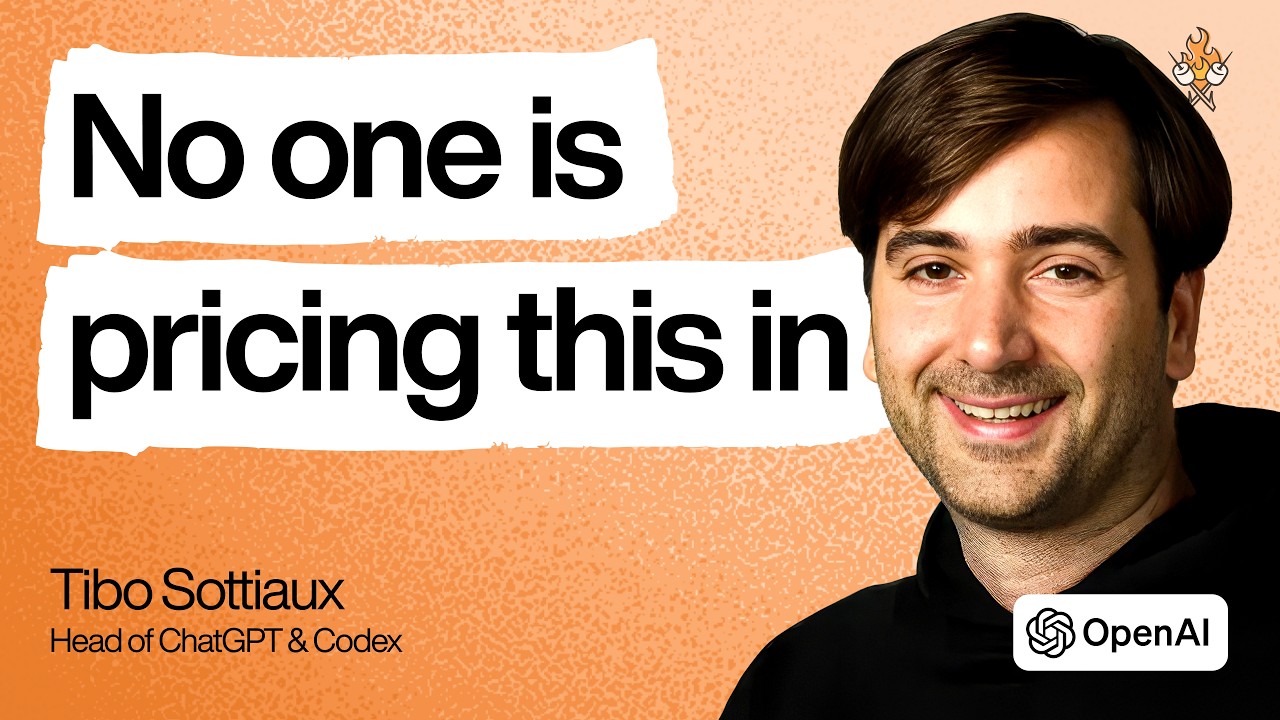
OpenAI’s Head of ChatGPT: We’re entering a new era of AI (again) | Tibo Sottiaux
Oct 4, 2026 · 37:23
Lenny's Podcast interviews Tibo Sottiaux, OpenAI's Head of ChatGPT and Codex, who argues always-on agents like OpenAI's new Dots will replace today's apps since most actions on the internet will soon be taken by agents. He explains Dots works 24/7 across devices with no model picker, that Codex and ChatGPT Work will merge for ChatGPT's 1.2 billion users, and that agent loops and graphs are a passing phase versus systems that learn. He details the open ecosystem—Sign in with ChatGPT at 16 partners, plugin revenue share—where plugin discovery runs on retention, not SEO. His Dot warned him five minutes before a DevDay demo that production was down; he says typing fast matters less while taste and 120+ ex-founders define hiring. He cites OpenAI's safety spend and the withheld 6.1 Astra model.

Molly Graham: The grief, burnout, and opportunity hiding inside the AI transition
Sep 27, 2026 · 1:34:15
Molly Graham tells Lenny Rachitsky that her famous 'give away your Legos' advice no longer holds in an AI world: delegating to robots isn't delegating to a human, because you keep the oversight and mental tax. The advice came from Google and Facebook scale — her department grew from 25 to 125 people in 9 months, Facebook from 500 employees to 5,500 and a billion users — and leaning into change still wins. Grief, loneliness, and burnout in tech are real — burnout jumped from 44% to 55% — but AI displacement fear is overblown: AI-branded layoffs are 'bullshit,' and Manoush Zomorodi's reframe — assume your job always exists, just different every six years. Some Legos — judgment, trust, strategy — should never be given away, and AI is a lazy intern needing coaching, not a superintelligence.
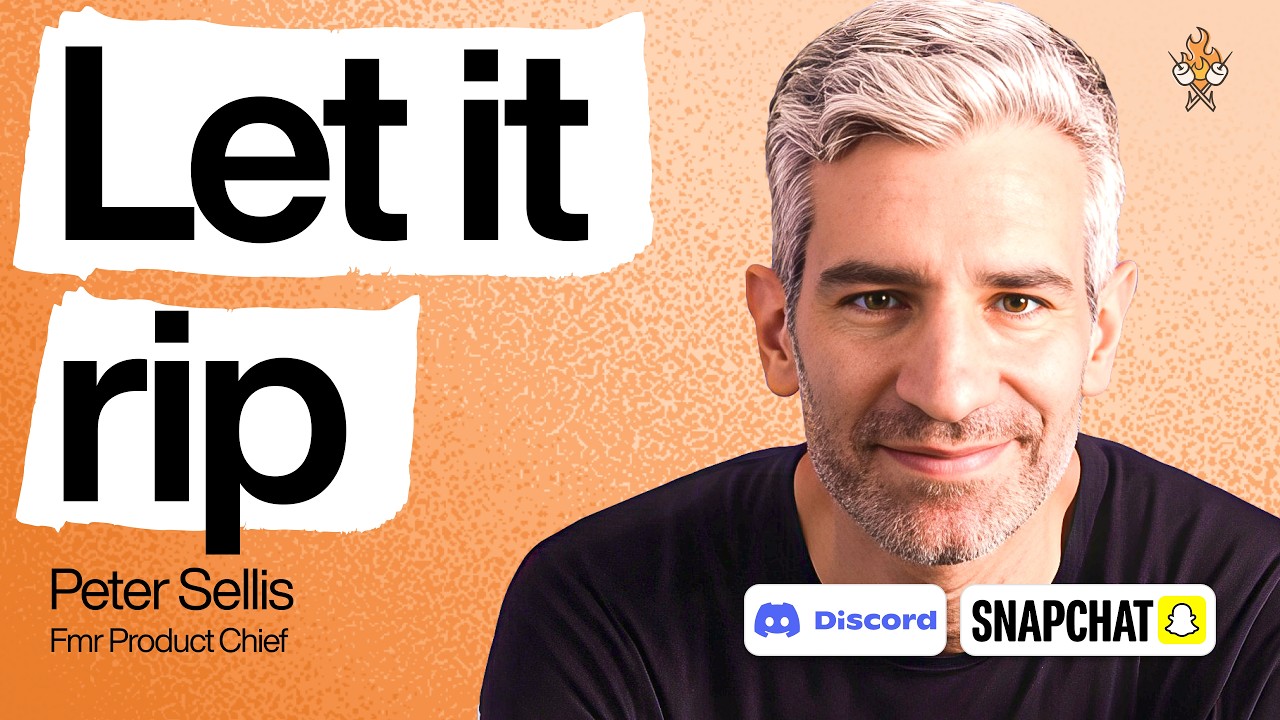
90 minutes of unfiltered product advice from Snap and Discord’s product chief | Peter Sellis
Sep 20, 2026 · 1:36:53
Peter Sellis, the first product manager at Snapchat (where he spent seven years) and former Head of Product at Discord, argues the median product manager is probably bad because the best ones exit to found startups or become executives, skewing the profession's power distribution. He explains why he designs teams like terrorist organizations—with clear ideology and single-threaded decision owners—why Snap's ads business underperformed due to a young user base, a camera-first format, and a messaging core, and how growth comes from the core product, as with Discord refocusing on multiplayer gaming. He also covers managing Nikita Bier, Snap's recovery from the 2018 redesign, systems thinking, OpenAI's ads opportunity, and his three oxymorons of great PMs.
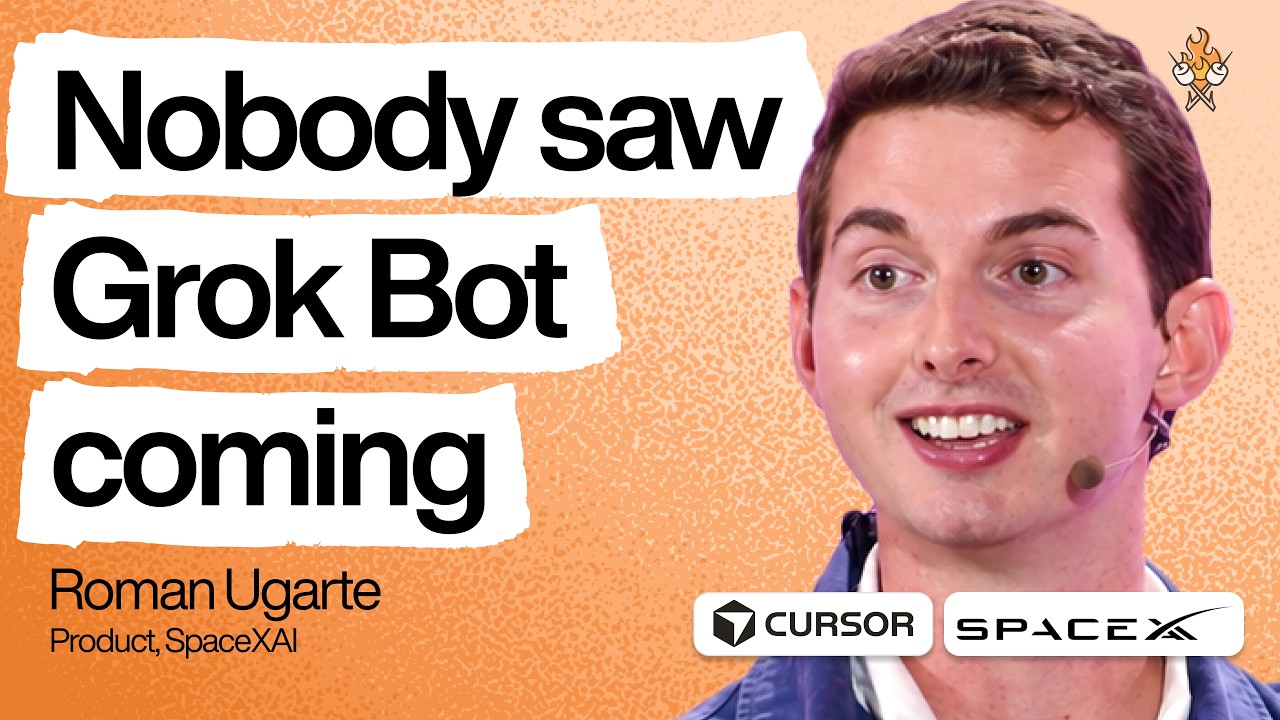
How we built Grok Bot in a month | Roman Ugarte (SpaceXAI)
Sep 8, 2026 · 1:22:43
Roman Ugarte, who leads product for Grok Bot at SpaceXAI, tells Lenny Rachitsky how a small, isolated team built Grok Bot from scratch in one month and launched it publicly just three weeks later. He explains why they built it separately instead of inside Cursor and why the team manually onboarded 200–300 users, including a coffee shop owner, to check blind spots. Two early decisions made it work, he argues: giving every bot its own cloud computer instead of sharing yours, and a 'colleague-pilled' philosophy that hides internal mechanics so delegating feels like trusting a real teammate. He also covers unshipping features pre-launch, natural-language automations, and argues Cursor outlasted OpenAI and Anthropic by reinventing itself every six months—moats are discovered, not planned.
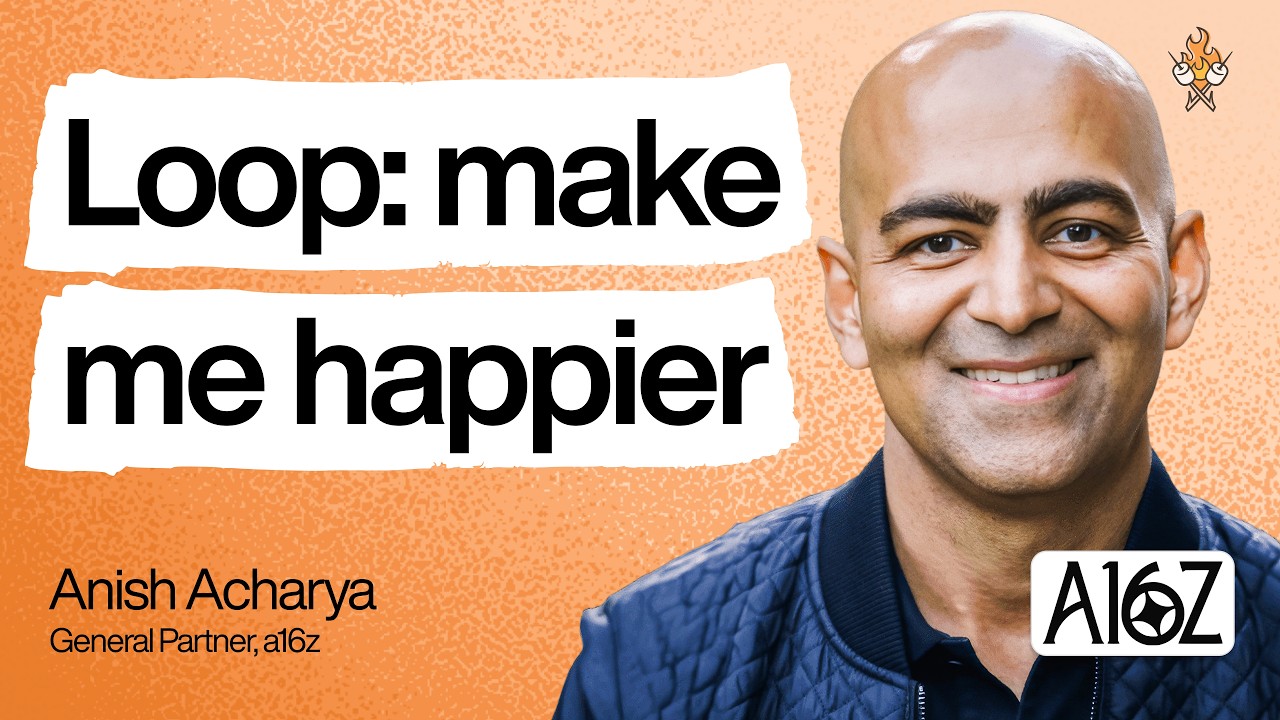
Why companies are becoming a series of loops | Anish Acharya (a16z)
Sep 6, 2026 · 1:19:25
Lenny Rachitsky hosts Anish Acharya, General Partner at Andreessen Horowitz (a16z), who argues the AI 'permanent underclass' fear is a dark fantasy and that company building is becoming a series of agent loops. He describes loops cascading from one per person to entire business functions, with humans still needed for the out-of-distribution thinking that pushes past local maxima. The biggest consumer opportunity, he says, is '/loop, make me happier'—applying AI to connection and joy, not productivity. Moats are discovered, not designed, he argues, citing Cursor and Granola, and organic word of mouth is now the strongest distribution moat. As a 'model sommelier,' he urges shipping something weekly with each new model.
Powered by PodHood