
OpenAI
CompanyA company discussed on Lenny's Podcast.
5 episodes
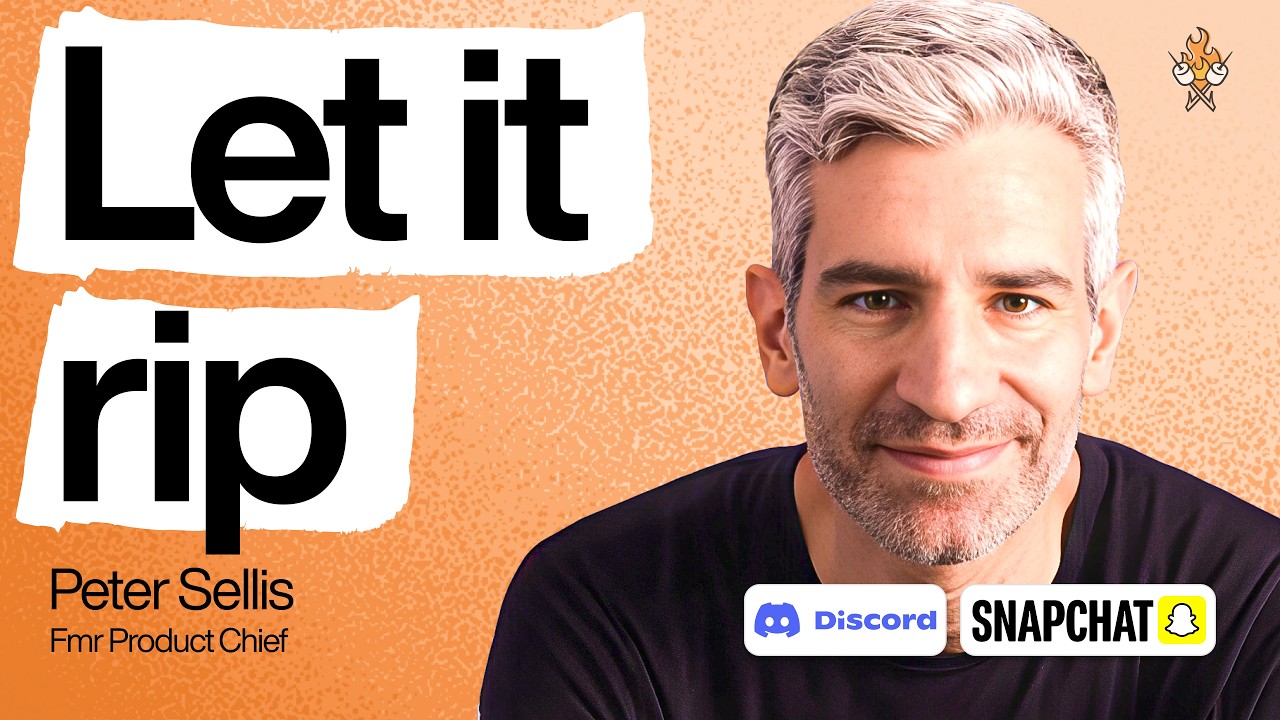
90 minutes of unfiltered product advice from Snap and Discord’s product chief | Peter Sellis
Sep 20, 2026 · 1:36:53
Peter Sellis, the first product manager at Snapchat (where he spent seven years) and former Head of Product at Discord, argues the median product manager is probably bad because the best ones exit to found startups or become executives, skewing the profession's power distribution. He explains why he designs teams like terrorist organizations—with clear ideology and single-threaded decision owners—why Snap's ads business underperformed due to a young user base, a camera-first format, and a messaging core, and how growth comes from the core product, as with Discord refocusing on multiplayer gaming. He also covers managing Nikita Bier, Snap's recovery from the 2018 redesign, systems thinking, OpenAI's ads opportunity, and his three oxymorons of great PMs.
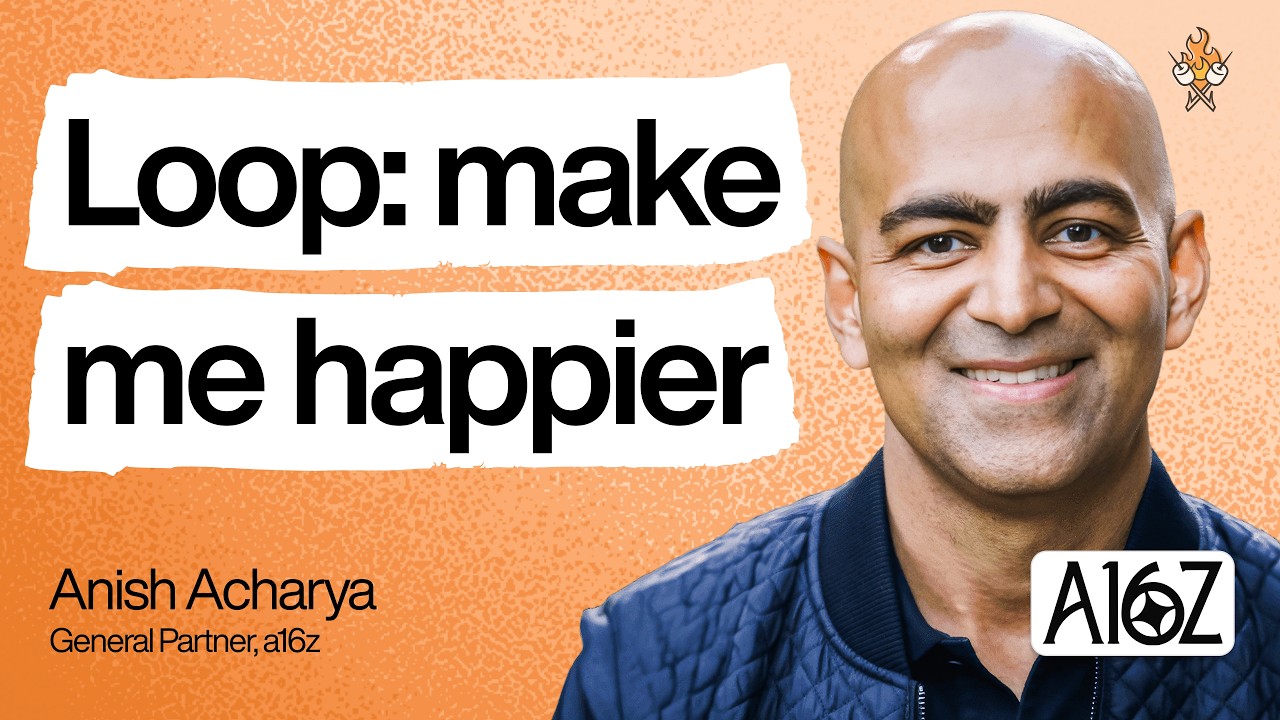
Why companies are becoming a series of loops | Anish Acharya (a16z)
Sep 6, 2026 · 1:19:25
Lenny Rachitsky hosts Anish Acharya, General Partner at Andreessen Horowitz (a16z), who argues the AI 'permanent underclass' fear is a dark fantasy and that company building is becoming a series of agent loops. He describes loops cascading from one per person to entire business functions, with humans still needed for the out-of-distribution thinking that pushes past local maxima. The biggest consumer opportunity, he says, is '/loop, make me happier'—applying AI to connection and joy, not productivity. Moats are discovered, not designed, he argues, citing Cursor and Granola, and organic word of mouth is now the strongest distribution moat. As a 'model sommelier,' he urges shipping something weekly with each new model.

AI’s third era: the rise of persistent AI coworkers | Tara Seshan (OpenAI’s product lead)
Aug 30, 2026 · 1:21:45
Tara Seshan, OpenAI's product lead for Codex and ChatGPT Work, tells Lenny Rachitsky that AI is entering a third era of persistent AI coworkers, where human judgment and ambition—not execution—become the differentiator. She explains why OpenAI builds for model capabilities two to three months out, citing memes like 'Is this maximally accelerated?' and 'Are you mainlining it yet?' as the product-development test. She says the PM job now centers on sharp hypothesis testing and elevating others' ambitions, and describes ChatGPT's Chat, Work, and Codex modes converging on a single box that picks the right harness. She also distinguishes writing as thinking (never automate) from writing as reporting (automate), and shares Sutter Hill's lesson that product marketing fit can precede building.
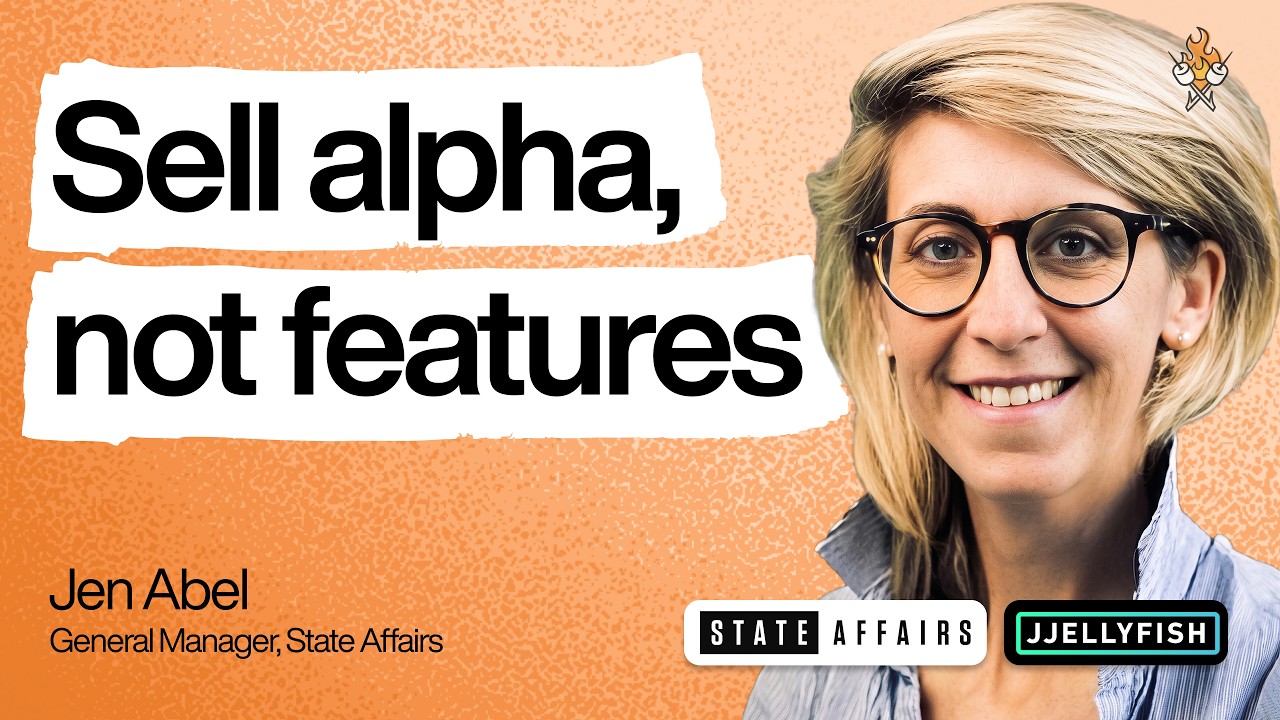
84 minutes of enterprise sales alpha | Jen Abel
Aug 23, 2026 · 1:24:57
Jen Abel — co-founder of JJellyfish and GM of enterprise sales at State Affairs — joins Lenny Rachitsky to map the enterprise sales cycle, arguing it takes closer to 15 steps than the standard five-stage CRM funnel, via a hypothetical $100K deal with SpaceX's legal team. She explains the pincer model for reaching the executive and N-minus-one at once, and treats the intro call as the moment to extract maximum intelligence before any demo. She details pre-demo prep calls, demoing only the 20% of the product that matters, a two-to-three-day pilot with jointly defined success, and pricing talks that avoid discounting. The episode finishes with papering redlines, procurement timelines, signature—and enterprise win rates of 30–35%, adding that if your win rate is higher, your price is too low.
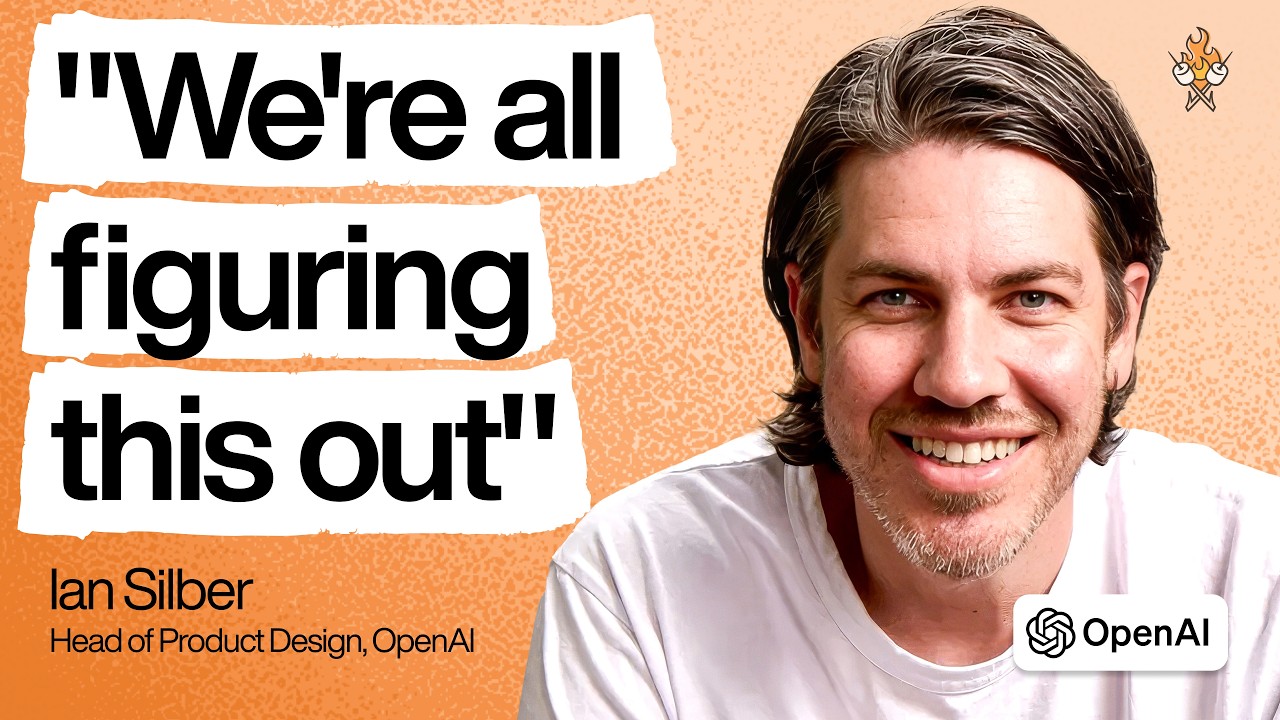
Chatbots are not the final interface: OpenAI’s Head of Design on what’s next | Ian Silber
Aug 16, 2026 · 1:12:05
Ian Silber, head of product design at OpenAI, tells Lenny that designers' anxiety about AI comes from unclear expectations and a design process that still takes time even as engineers 10x, but insists this is the best time in history to be a designer because AI is already an incredible designer and anyone can make ideas real in minutes. He explains OpenAI hires for curiosity, prototyping and systems thinking rather than AI backgrounds, and steers designers to "just do less" by reusing systems and focusing on durable experiences. He defends the chat interface as the right way to span a wide spectrum of intelligence, and shares that ChatGPT's future involves proactivity, voice, and one universal input that works for novices and power users alike. He credits failure at Instagram with IGTV before Reels, and urges struggling designers to embrace exploration and focus on outcomes rather than process.
Powered by PodHood