
Anthropic
CompanyA company discussed on Lenny's Podcast.
4 episodes
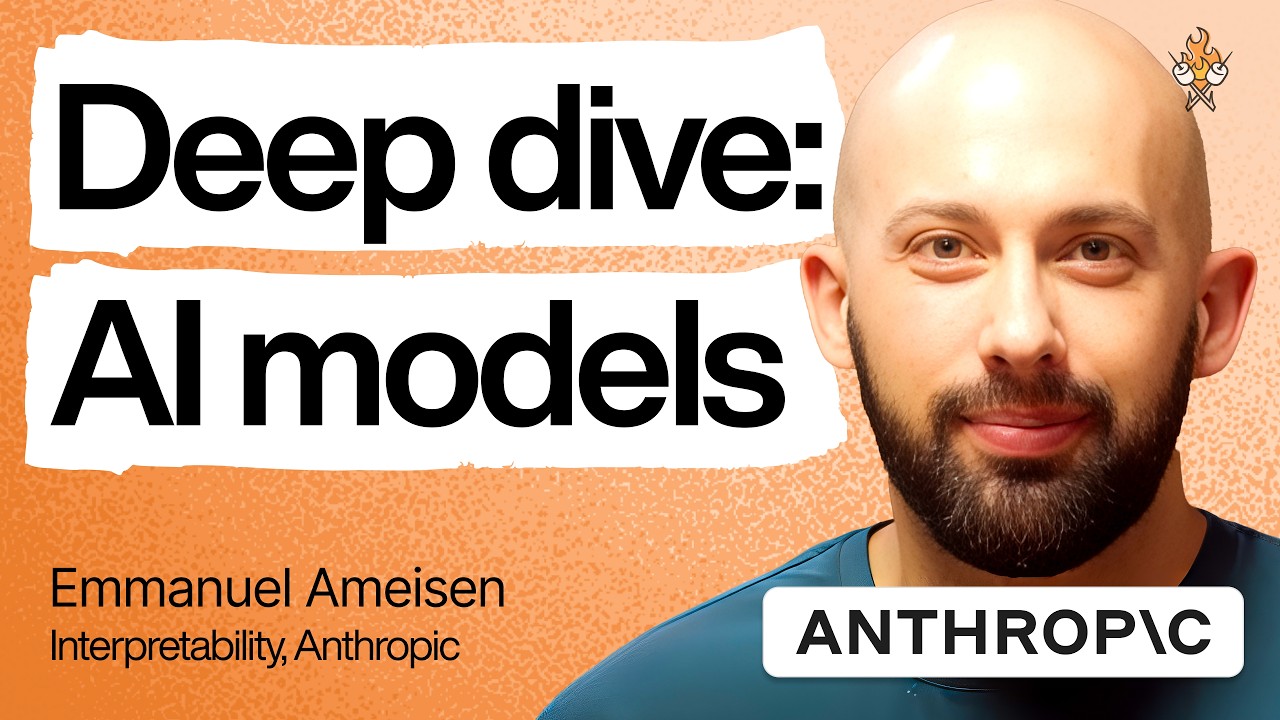
Inside the black box of AI: How AI models actually think | Emmanuel Ameisen (Anthropic)
Oct 18, 2026 · 1:12:13
Emmanuel Ameisen, an interpretability researcher at Anthropic, tells Lenny Rachitsky that making models like Claude is not understanding them—their math is grown, not built, and must be studied like a brain. Decoding intermediate results reveals models form general concepts and silently plan tokens ahead, like a poetry model flagging a rhyme. He argues next-token prediction is deceptively hard—answering 'the capital of the state that contains Dallas' requires a world model—and smooth scaling yields apparent capability jumps at reliability thresholds. On alignment, he recounts a model driven mad by a bad training answer (36 instead of 12), asks whether Claude behaves only because 'Lenny is watching,' and defends anthropomorphizing as useful. He leaves AI consciousness an open question.

How to run your product team like a research lab | Dan Shipper (Every)
Sep 24, 2026 · 18:32
Dan Shipper, co-founder and CEO of Every, argues product orgs should add a small labs team exploring frontier AI like Astra 6 and Fable 5.1 while the product team executes, because exploring and executing pull in opposite directions. Labs teams of one or two people—messy "pirates" with "architects"—should dogfood, run parallel experiments, and expect to discard 90%, recouping ROI through content and early adopter programs. Anthropic Labs produced Claude Code and skills this way, and OpenAI's Codex, launched February 2026, merged into ChatGPT's 800 million daily users. Every's "Kate Bench" shows the pipeline: an AI copy editor trained on editor-in-chief Kate's edits cut her work 12% in a month. He advises weekly pipeline reviews and criteria—recurring usage, 10x better, affordable.
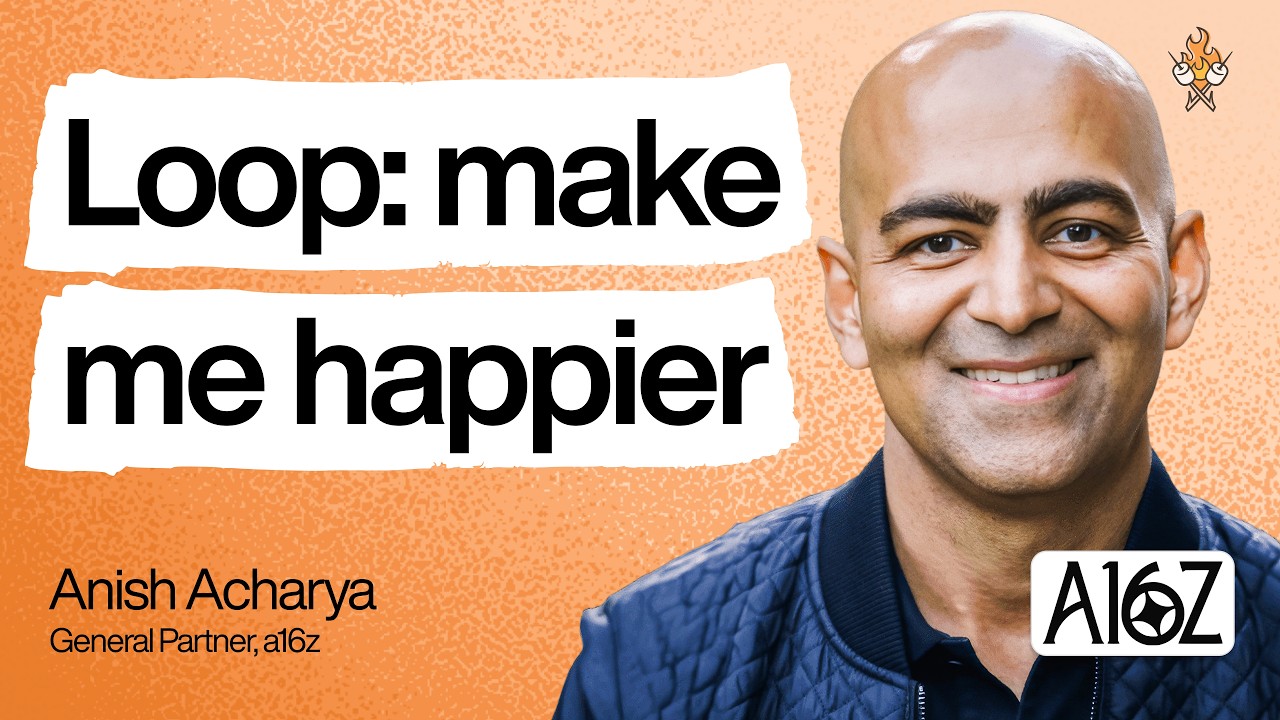
Why companies are becoming a series of loops | Anish Acharya (a16z)
Sep 6, 2026 · 1:19:25
Lenny Rachitsky hosts Anish Acharya, General Partner at Andreessen Horowitz (a16z), who argues the AI 'permanent underclass' fear is a dark fantasy and that company building is becoming a series of agent loops. He describes loops cascading from one per person to entire business functions, with humans still needed for the out-of-distribution thinking that pushes past local maxima. The biggest consumer opportunity, he says, is '/loop, make me happier'—applying AI to connection and joy, not productivity. Moats are discovered, not designed, he argues, citing Cursor and Granola, and organic word of mouth is now the strongest distribution moat. As a 'model sommelier,' he urges shipping something weekly with each new model.
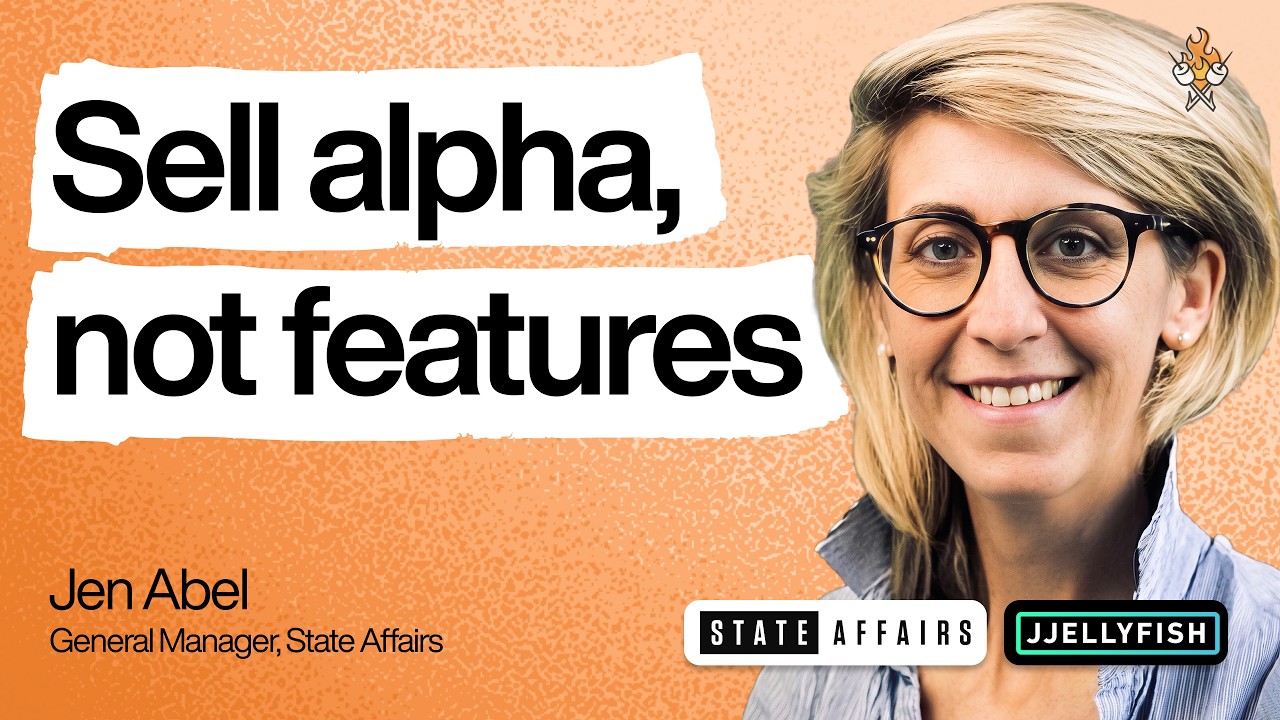
84 minutes of enterprise sales alpha | Jen Abel
Aug 23, 2026 · 1:24:57
Jen Abel — co-founder of JJellyfish and GM of enterprise sales at State Affairs — joins Lenny Rachitsky to map the enterprise sales cycle, arguing it takes closer to 15 steps than the standard five-stage CRM funnel, via a hypothetical $100K deal with SpaceX's legal team. She explains the pincer model for reaching the executive and N-minus-one at once, and treats the intro call as the moment to extract maximum intelligence before any demo. She details pre-demo prep calls, demoing only the 20% of the product that matters, a two-to-three-day pilot with jointly defined success, and pricing talks that avoid discounting. The episode finishes with papering redlines, procurement timelines, signature—and enterprise win rates of 30–35%, adding that if your win rate is higher, your price is too low.
Powered by PodHood